Kumi's Review
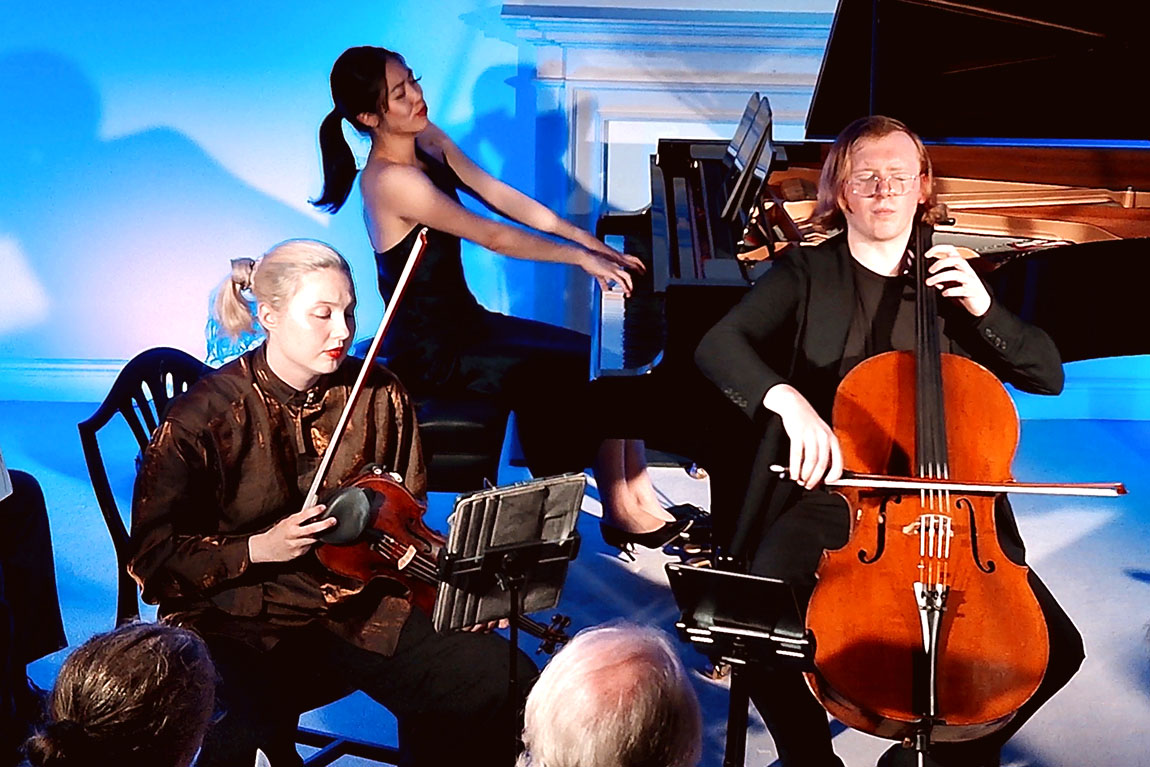
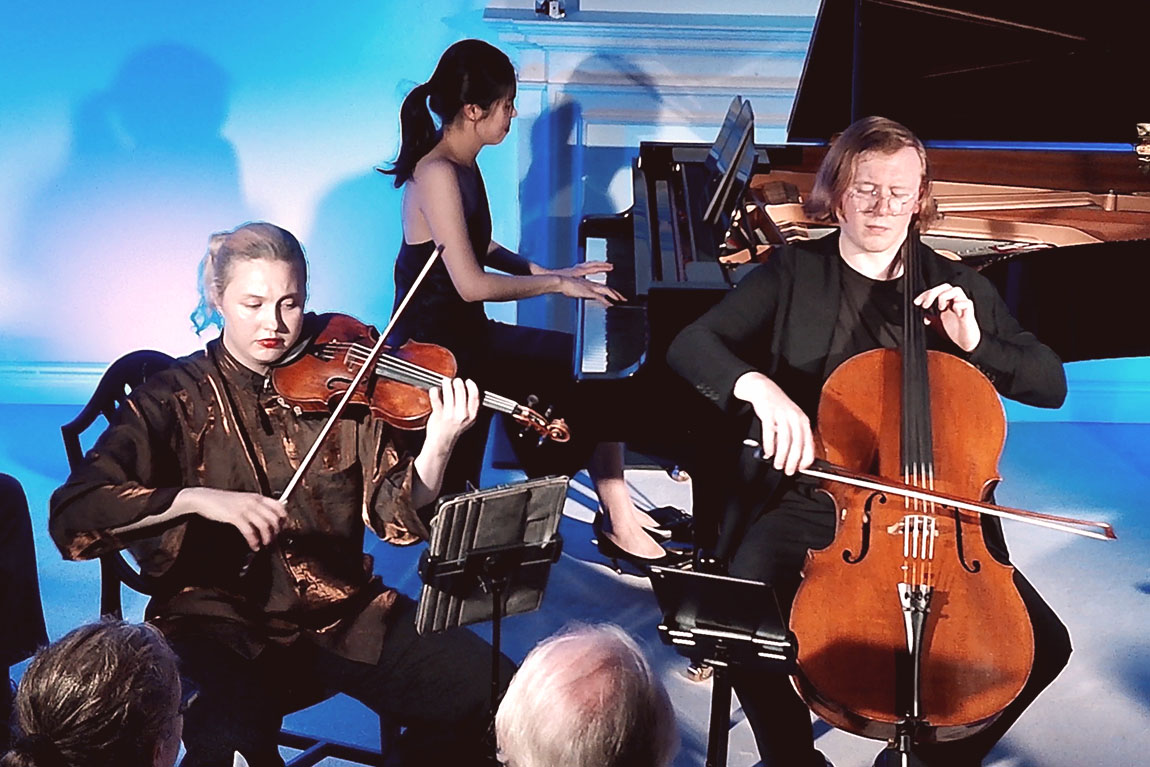
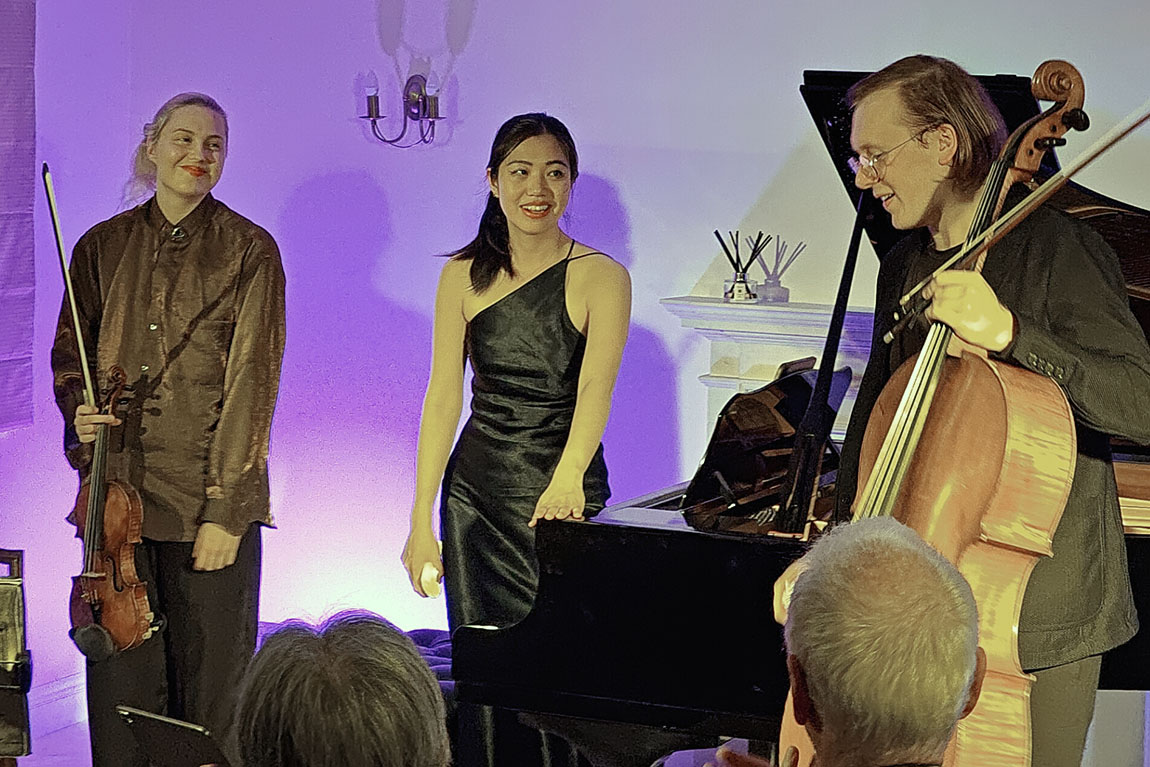
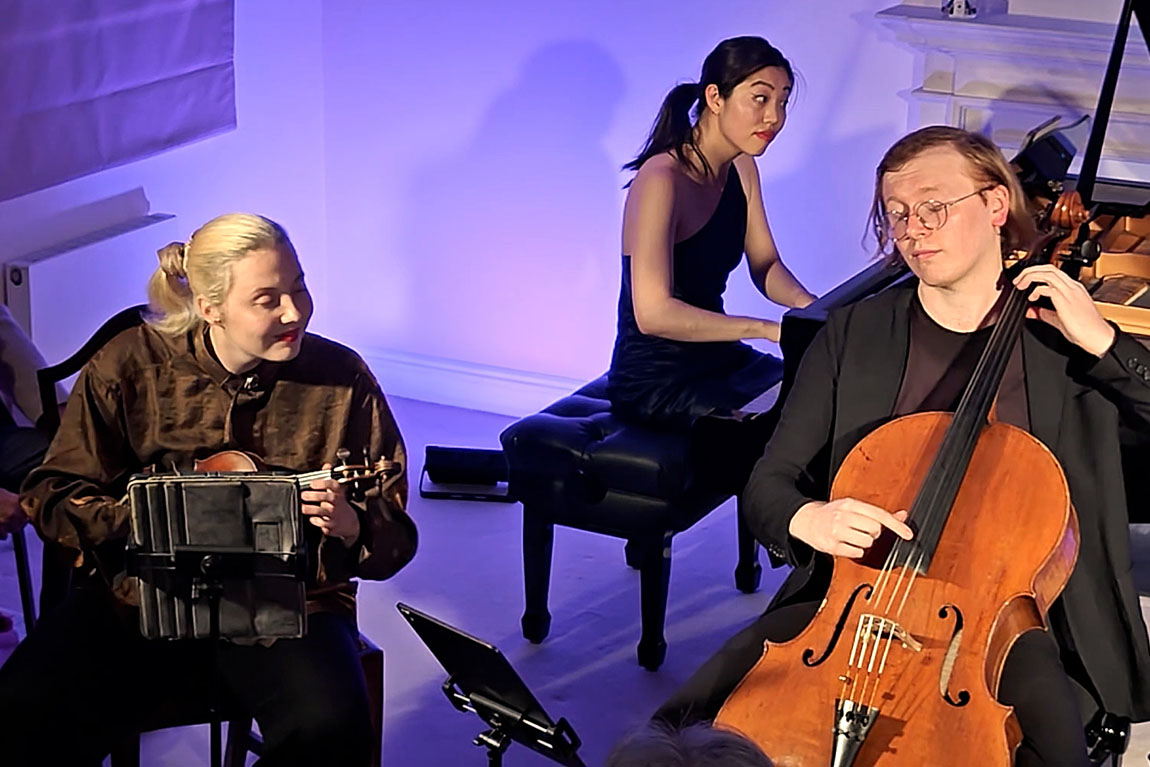
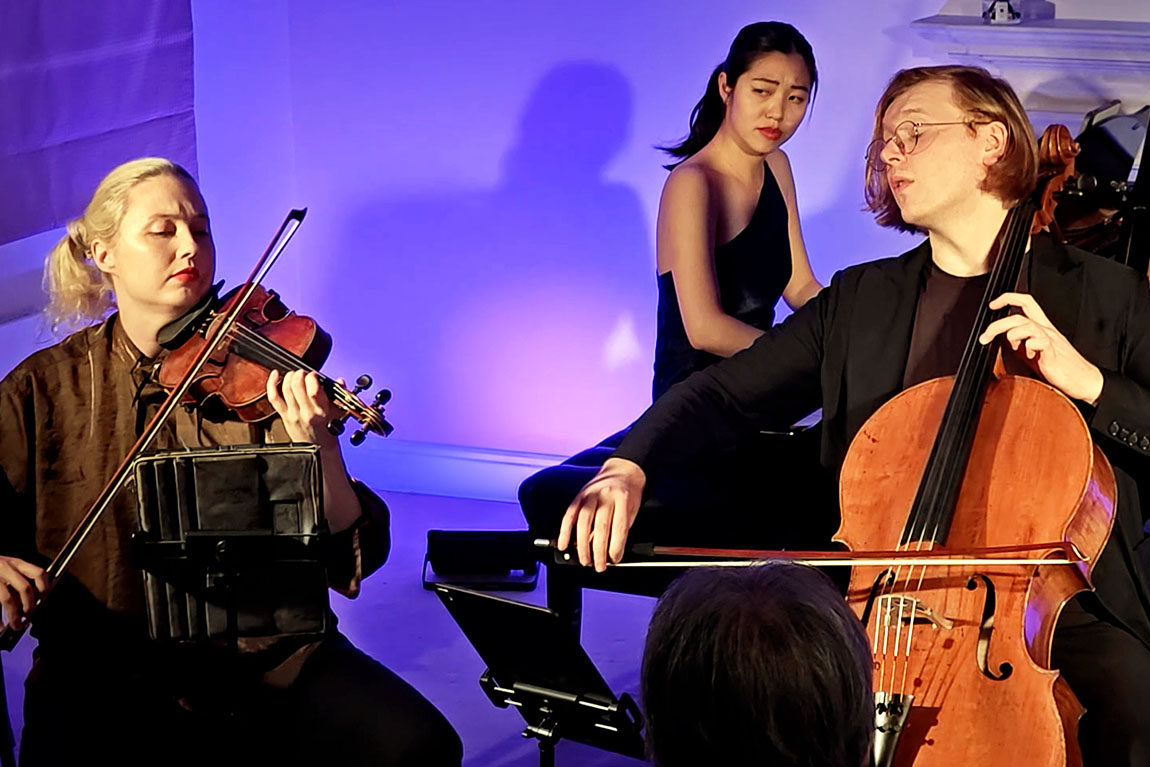
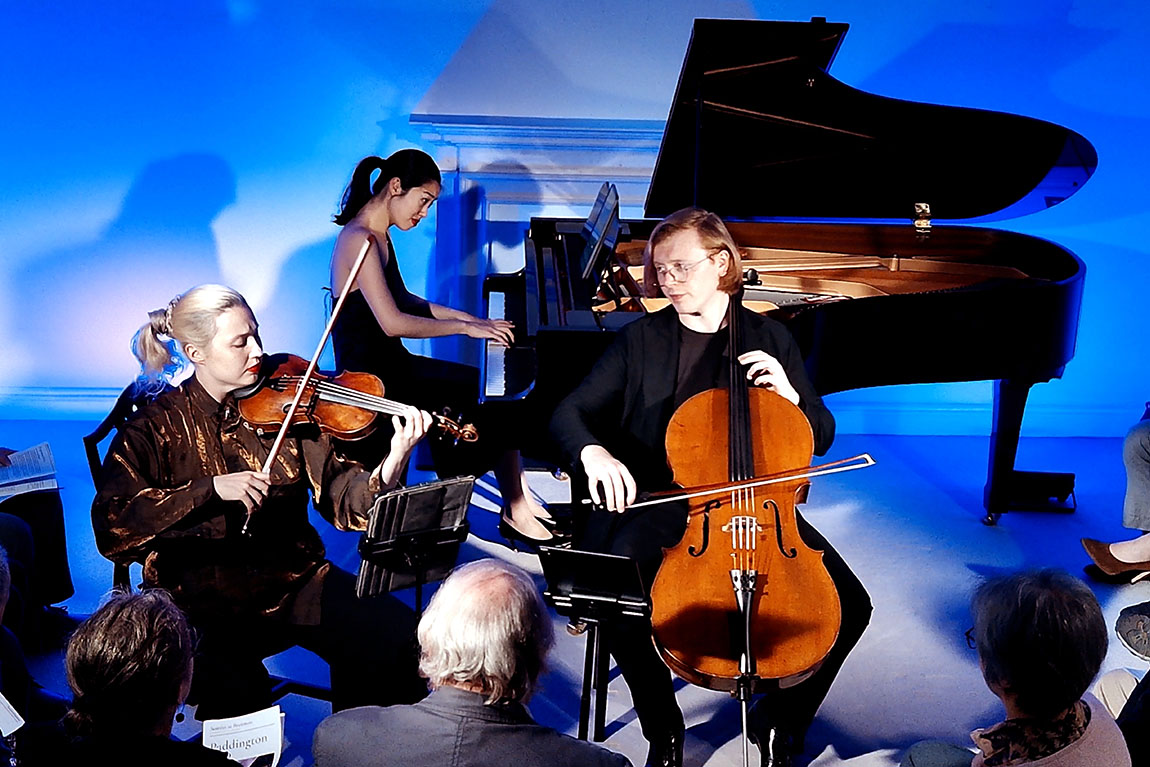
Since our autumn season opened in early September, Breinton has been a hub of classical music in Woking! In a matter of five weeks, we have had four recitals, welcoming seven musicians. Sealing this wonderful succession of recitals was the Paddington Trio, who literally blew the full-house audience away. Their bold approach and positive energy created an electric aura that never stopped captivating everyone in the room. The three musicians – violinist Tuulia, pianist Stephanie and cellist Patrick – are highly distinctive individuals, but as soon as they are put in a pot, they play as one, creating energetic communication and highly refined ensemble playing. And we loved their programme To an Old Friend, consisting of three works composed as acts of remembrance.
Written by living composer Arvo Pärt in memory of violinist Oleg Kagan, Mozart-Adagio was tender and gentle, performed by the Trio with a heart-touching, storytelling quality. The strings' simple lines and the accompanying piano were beautiful, creating a dark and sombre mood.
If Mozart-Adagio was a starter (Stephanie's word!), the main course that followed was certainly heavy. And darker. What a rendition of Shostakovich's Piano Trio No. 2 it was. Restless and uneasy, as Tuulia mentioned, with the use of mutes on the string instruments, it created a suppressed, suffocating feeling. Yet it was super powerful and convincing. We felt as if we were pinned to our seats by the spiritual force of music. We also sensed the wonder of the instruments and the performers' imaginative creations – the manic dance, vomiting, bombs in the distance and bones – all expressed in the hands of Tuulia, Stephanie and Patrick.
If the Shostakovich Piano Trio was a main course, I do not know how to describe Tchaikovsky's Piano Trio. This grand-scale masterwork carried an unbroken flow of moods – lament, anguish and darkness in the first movement, grace, delight and charm in the variations, for instance. The three musicians were hauntingly on fire, never holding back their urge to shine and express, yet never forgetting to embrace each other; they held each other in unison. My favourite was the graceful waltz of the variations. Graciously delightful, each instrument took its turn to play the catchy melody gorgeously – the pure beauty of the strings and the rich sounds of the piano creating an imaginative ballroom of the 19th century.
To an Old Friend was a dark, sombre, yet incredibly beautiful programme. The Trio's performance was so inviting that we sensed the audience breathing the music together and becoming part of the production. How wonderful.
A short, funky piece, The Armless Fiddler from Sam Perkin's Freakshow, followed as an encore, completing the evening on a high note.
Programme Notes
Pärt: Mozart-Adagio
Composed in 1992, this piece began as a personal farewell. Arvo Pärt wrote it in memory of Oleg Kagan, a violinist he considered one of the finest interpreters of Mozart of his generation, who had died two years earlier.
Rather than compose an entirely new elegy, Pärt turned to music his friend had loved: the slow movement of one of Mozart’s early piano sonatas, written when its composer was barely out of his teens.
The piano plays Mozart’s original text almost note for note, unchanged and instantly recognisable. Around it, Pärt adds his own quiet commentary: a violin line here, a cello line there, a handful of notes threaded gently into the texture, never overwhelming the original.
The result is less an arrangement than an act of listening, Mozart’s music heard again, decades later, through the ear of someone in mourning. What was wistful in the original becomes, in Pärt’s hands, quietly tragic, a single short movement carrying far more than its modest length suggests.
Shostakovich: Piano Trio No. 2
Shostakovich began this trio in the autumn of 1943 and was partway through the first movement when he learned that Ivan Sollertinsky, his closest friend, had died suddenly at just forty-one. Sollertinsky was a musicologist, linguist, and tireless champion of Shostakovich’s music at a time when official favour could vanish overnight, and his death, in the middle of a war that had already cost Shostakovich so much, leaves its mark across the whole work.
The first movement opens with the cello alone, playing so high above its usual range that it can sound almost like a flute or a distant violin, a strange, unsettling effect before the other instruments enter and the music finds firmer ground. What follows is restless and uneasy, repeatedly circling back to that opening disquiet.
A tense, driven second movement offers no real relief either, its energy feeling forced rather than festive.
Then comes a slow movement built from a series of solemn, repeating chords on the piano, over which the violin and cello sing a long, grieving line, a private requiem for Sollertinsky, before the finale erupts without pause.
That finale is the work’s most startling passage. Shostakovich draws on the sound of Jewish folk music, its dance rhythms and its sliding, keening melodic turns, and drives it forward with a manic, mechanical energy that curdles celebration into something closer to horror. He was writing in 1944, as the scale of the Nazi atrocities against Jewish communities across Eastern Europe was becoming known, and many who heard this finale in the years that followed took it as a response to exactly that: a dance forced upon people who had no choice but to dance it. As the movement presses on, fragments of the earlier movements begin to resurface, the ghostly opening cello line and the slow movement’s grieving chords both returning briefly before being swept back into the dance. The trio ends not in triumph but in a hush, its whole span of grief and horror gathered up and left, deliberately, unresolved.
Shostakovich had spent the previous two years writing music largely for public consumption: vast wartime symphonies intended to be heard as statements of national resolve. This trio, by contrast, is unmistakably private, the first substantial piece he wrote purely for himself and for a friend he had lost.
Tchaikovsky: Piano Trio in A minor
This trio, composed a generation earlier than the pieces of the first half, in the winter of 1881 and 1882 while Tchaikovsky was living in Rome, grew out of a similar impulse: the need to mark a death that had left a real gap in the composer’s life. Nikolai Rubinstein, pianist, conductor, and founder of the Moscow Conservatory, was one of the very few people whose musical judgement Tchaikovsky genuinely trusted, and he had died the previous spring.
Tchaikovsky had always resisted writing for this particular combination of instruments, finding the sound of piano and strings together unbalanced and unappealing. For Rubinstein, he set that reservation aside and produced one of his largest and most personal chamber works, later subtitled a tribute to a great artist without naming him outright.
The trio is built on an unusual scale for the form: not four movements, but two, the second of which is itself a substantial structure in its own right. The first is a long, grieving span of music, its opening melody carried by the strings over a dark piano accompaniment, moving between passages of real anguish and moments that recede into something quieter and more resigned. It is not a single unbroken lament, Tchaikovsky lets the music gather pace and intensity more than once, but its character stays elegiac from first bar to last.
The second movement takes an entirely different approach to memory. A simple, folk-like tune, first heard on the piano alone, becomes the basis for a long sequence of variations, each one recasting it in a different light: playful, stately, dance-like, reflective in turn. Several of these variations are thought to sketch moments from Rubinstein’s own life, among them a busy scene full of incident, a graceful waltz, a fugue that shows off pure technical skill, even something resembling a mechanical music box. Taken together, they read less like an abstract exercise than a series of memories turned over one at a time. The set builds to a large-scale final variation that functions as the trio’s true finale, growing in weight and excitement until it reaches a blazing climax. Then, in the closing pages, the music pulls back sharply: the elegy that opened the whole trio returns, quietly, like a bell heard from a distance, and the work ends not in celebration but in remembrance, the loss it was written to honour left, deliberately, unresolved.
The trio was first performed privately at the Moscow Conservatory on the first anniversary of Rubinstein’s death, with a public premiere following some months later. Its influence outlasted that occasion by decades: this model of a memorial piano trio, a grieving first movement followed by a set of variations, was later taken up by Arensky, mourning a cellist, and by Rachmaninoff, mourning Tchaikovsky himself after his sudden death in 1893. What began as one composer’s private tribute to his mentor became, almost by accident, a Russian tradition in its own right.
About the Trio
Critically acclaimed as “three virtuosic musicians who play as one [and] live every note” (The Guardian), the Paddington Trio is one of its generation's leading ensembles, recognized for its fresh, authoritative interpretations of the great classical canon and exuberant energy in performing today's most compelling contemporary music. Much like the famous bear, Finnish violinist Tuulia Hero, Irish cellist Patrick Moriarty, and American pianist Stephanie Tang first came together at the Paddington Station and made London their home.
From the start they achieved a meteoric rise, emerging as First Prize recipients of two prestigious London chamber music competitions: the 70th Royal Over-Seas League Competition and the Parkhouse Award at Wigmore Hall. These early successes led to important debuts at both Wigmore Hall and Kings Place, earning high praise in The Strad Magazine and a 5-star review in The Guardian.
Celebrated for their energetic communication, imaginative programming, and highly refined ensemble playing, Tuulia, Stephanie and Patrick continue to captivate audiences in prominent halls and series worldwide. Their distinctive approach to performing is perhaps best encapsulated by Katie Derham’s BBC Radio 3 In Tune description: “satisfyingly bananas”. Their extensive performance calendar includes appearances at major UK venues (Wigmore Hall, LSO St. Luke’s, BBC Total Immersion), leading European festivals (Janine Jansen’s Internationaal Kamermuziekfestival Utrecht, TivoliVredenburg, Schiermonnikoog Festival, Festival Flanders Ghent, Kuhmo Festival, West Cork Chamber Music Festival), and North American stages (Internacional Festival Cervantino). The Trio has been featured on YLE, Klara, RTÉ lyric fm, and BBC Radio 3.
The Paddington Trio thrives on artistic collaboration beyond its three members, from orchestral and chamber music collaborations to innovative and interdisciplinary projects. They made their acclaimed concerto debut with the Beethoven Triple Concerto, performing alongside Jan Söderblom and the Jyväskylä Symphony Orchestra in Finland, and their commitment to exploring chamber music's most iconic works is exemplified by collaborations such as Messiaen's Quartet for the End of Time with clarinetist Michael Collins and Shostakovich’s Piano Quintet with violinist Philip Setzer of the Emerson Quartet. In 2026, they performed alongside and worked closely with principal dancer Tiler Peck and the world-renowned New York City Ballet at Sadler’s Wells Theatre in London.
The Trio has received close mentorship from remarkable artists including Alfred Brendel, Eberhard Feltz, Marc Danel, Steven Isserlis, Robert Levin, Thomas Adés, and members of the Ébène, Emerson, Alban Berg, Meta4, and Danel Quartets. They hold esteemed ensemble-in-residencies at the Reina Sofia International Institute of Chamber Music in Madrid, where they work with Günter Pichler (Alban Berg Quartet), and at ProQuartet Centre Européen de Musique de Chambre in Paris. They have greatly benefited from the support of the Britten Pears Arts, City Music Foundation, Kirckman Concert Society, MERITA, European Chamber Music Academy, Netherlands String Quartet Academy, and IMS Prussia Cove. Since 2023, they actively teach and inspire young ensembles at the Royal Northern College of Music, embodying a commitment to nurturing the next generation of chamber musicians.
Highlight engagements for the 2026/27 season include The Paddington Trio’s upcoming debuts at Amsterdam Concertgebouw, Alte Oper Frankfurt, Lucerne Chamber Music Society, and the Helsinki Seriös, West Wicklow, and Newbury Spring Festivals. Their much-anticipated debut album, titled “Freakshow,” will be released with PENTATONE in 2027.
Tuulia performs on a 1740 Francesco Goffriller violin, generously on loan from the Beare’s International Violin Society. Patrick performs on an exceptionally fine cello by Joseph Hill 1772 and bow by John Dodd 1820.
Tuulia Hero, violin
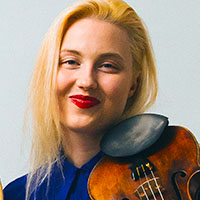
Tuulia Hero is a multi-award-winning Finnish concert violinist, chamber musician, and educator. Guided by her love for innovation and collaboration in chamber music and classical improvisation, Tuulia is a founding member of the Paddington Trio and Ensemble+.
Patrick Moriarty, cello
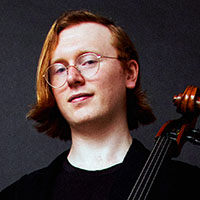
Described by The Strad as having a “velvet tone” and by Thuner Tagblatt as “mastering his instrument with such apparent ease,” cellist Patrick Moriarty is one of Ireland’s foremost musicians, widely sought after as a soloist and chamber musician. He has performed at major venues including Wigmore Hall, Barbican Centre, King’s Place, Concertgebouw Amsterdam, Alte Oper Frankfurt, Merkin Hall New York, Jordan Hall Boston, and Victoria Hall Geneva.
Stephanie Tang, piano
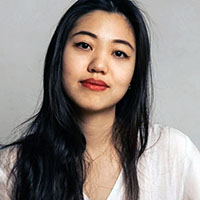
BBC Music Magazine Rising Star Stephanie Tang is a Chinese-American pianist establishing an active career in solo and chamber performance in the U.S., Canada, U.K. and Europe. Her early career highlights include her solo debut in Carnegie Hall at age 12 and at sixteen, her orchestral solo debut with the West Covina Symphony Orchestra. She has appeared in major concert halls such as Carnegie Hall, Walt Disney Concert Hall, Alte Oper, TivoliVredenburg, Shenzhen Concert Hall, Sendai Concert Hall, Place Flagey, Wigmore Hall, Barbican Centre, Banff Centre, and Koerner Hall.