Kumi's Review
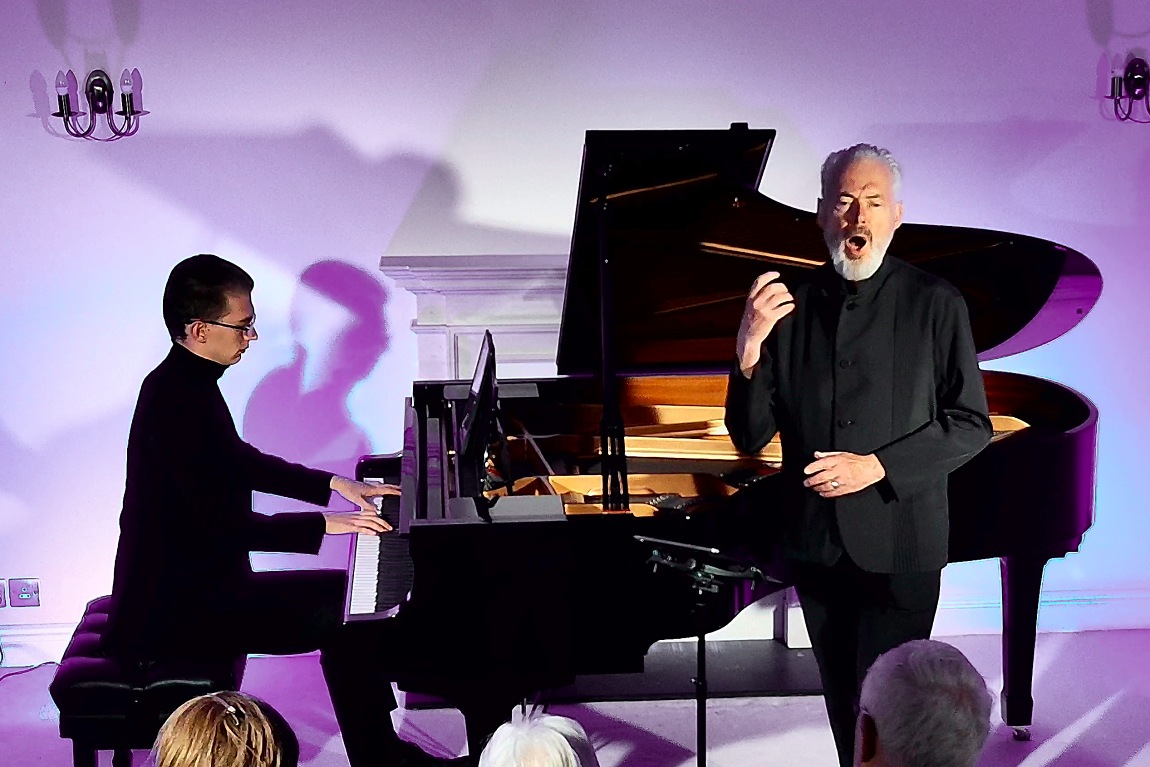
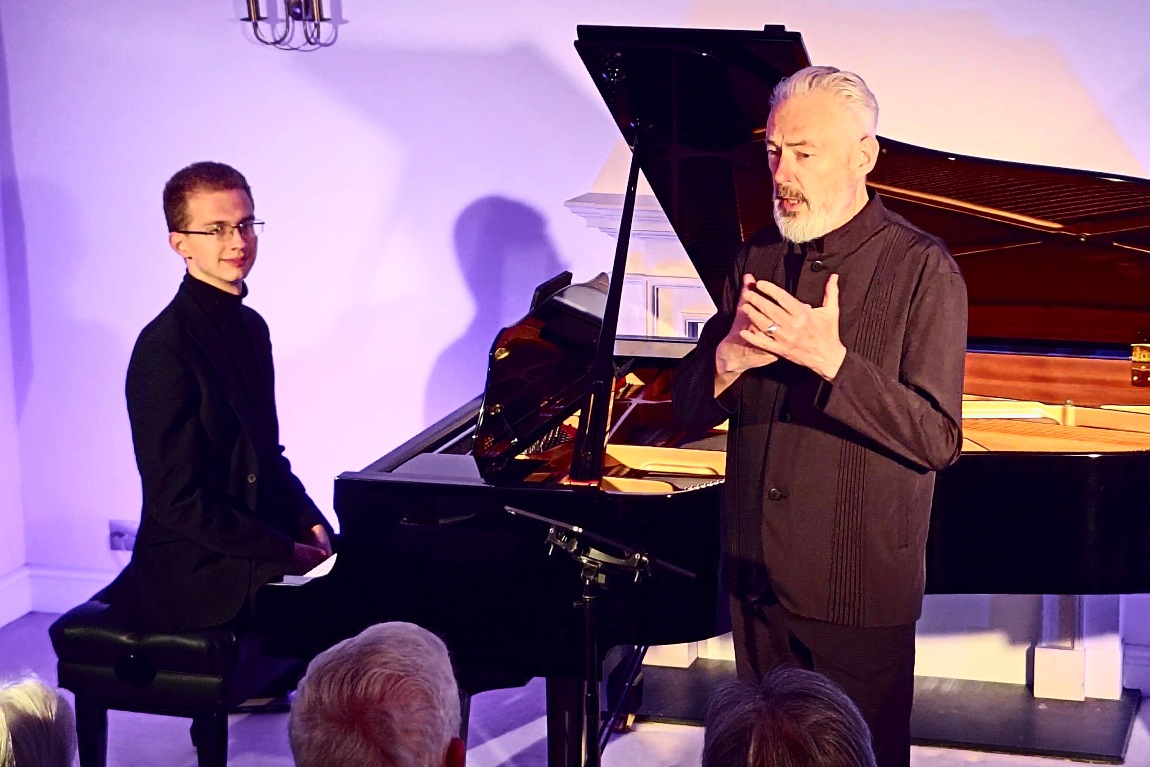
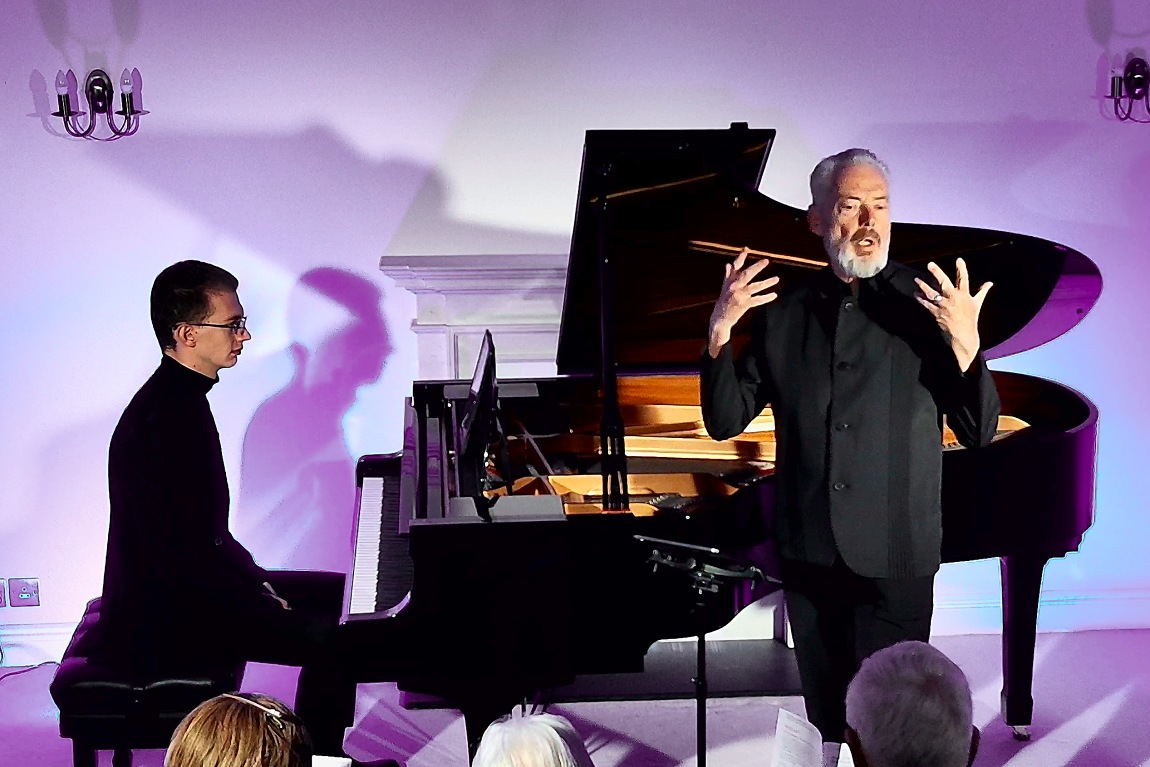
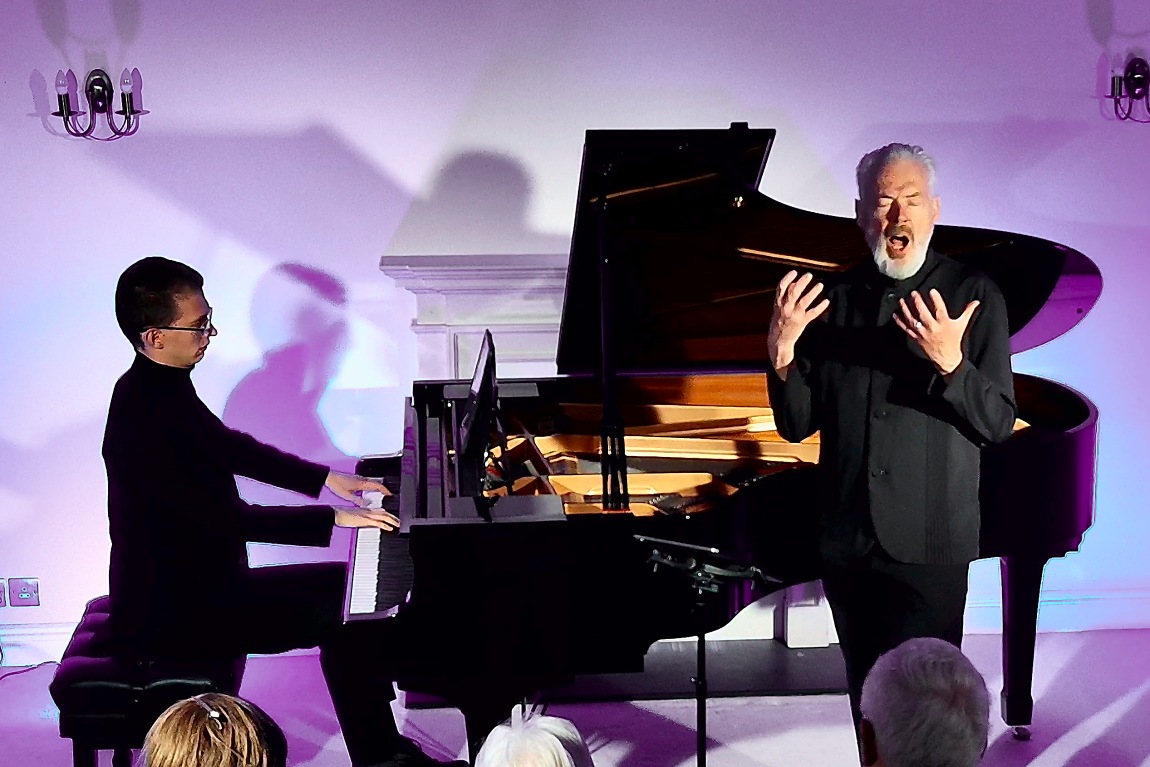
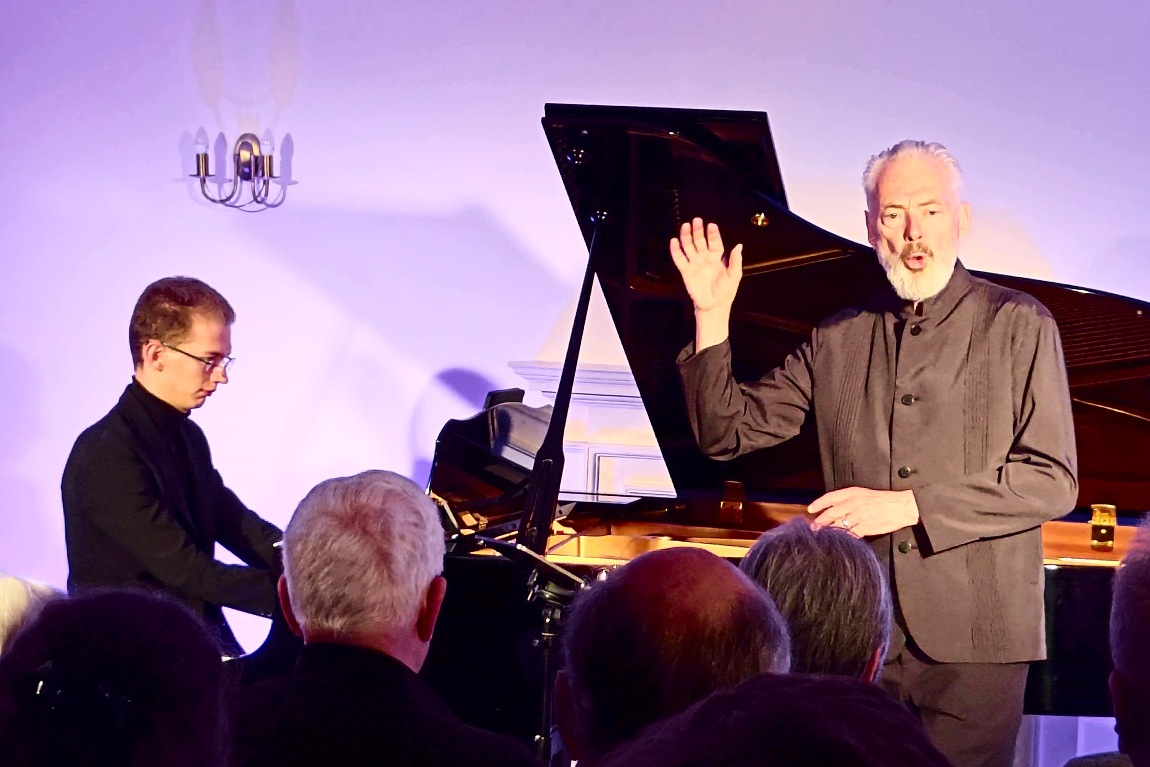
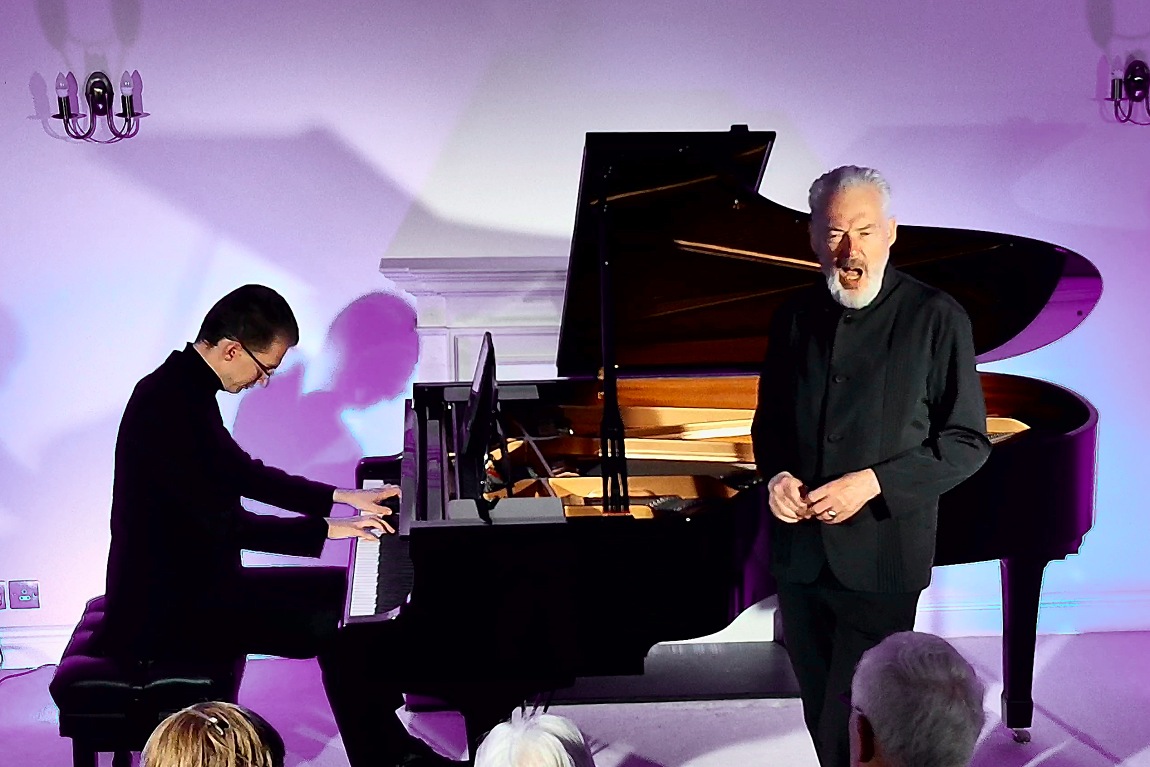
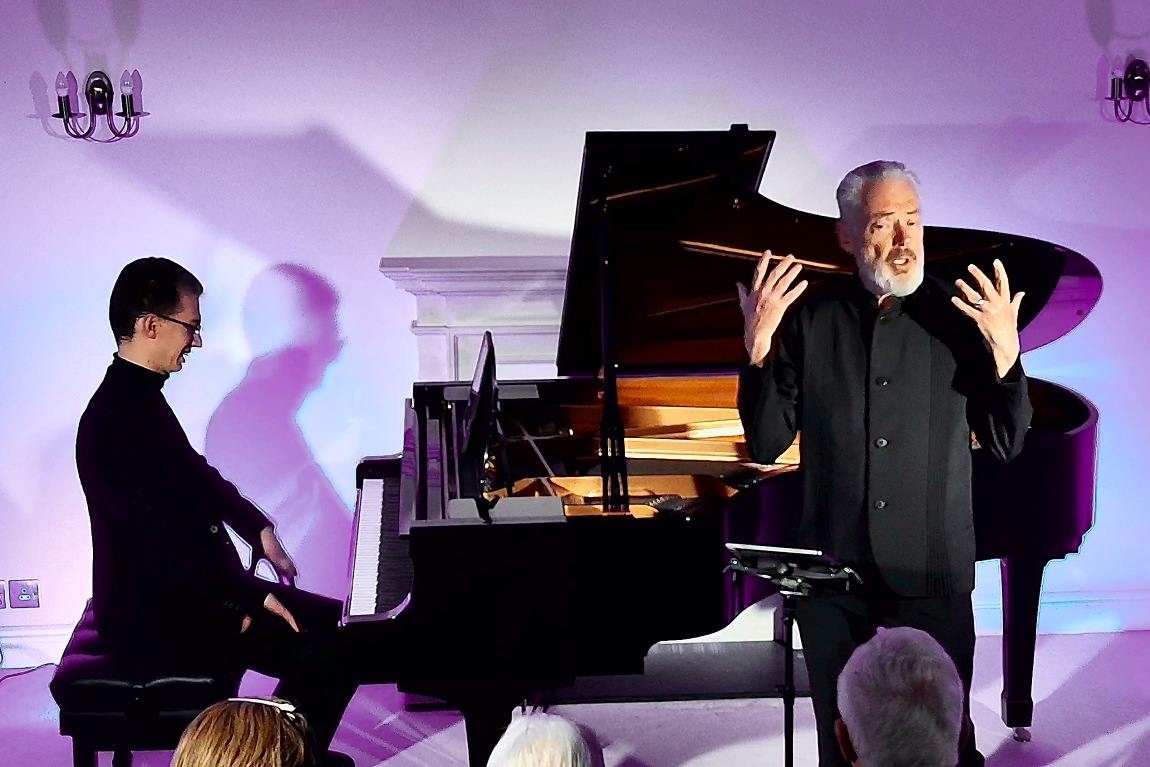
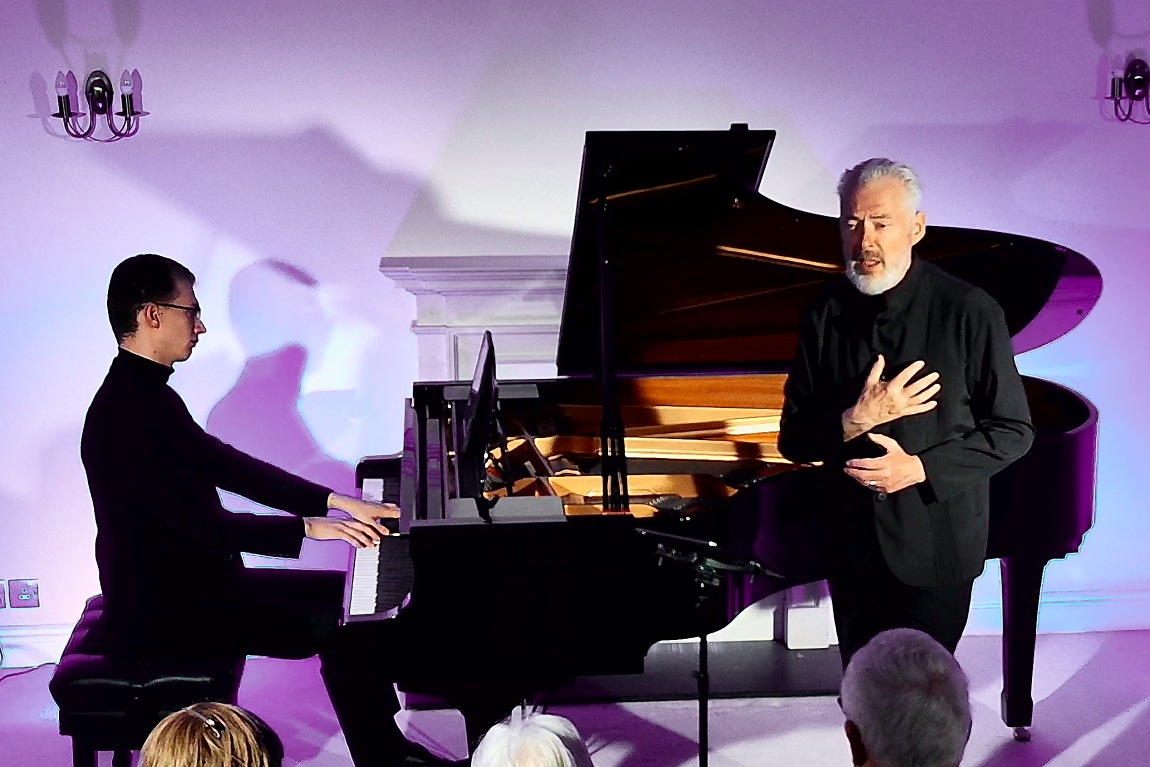
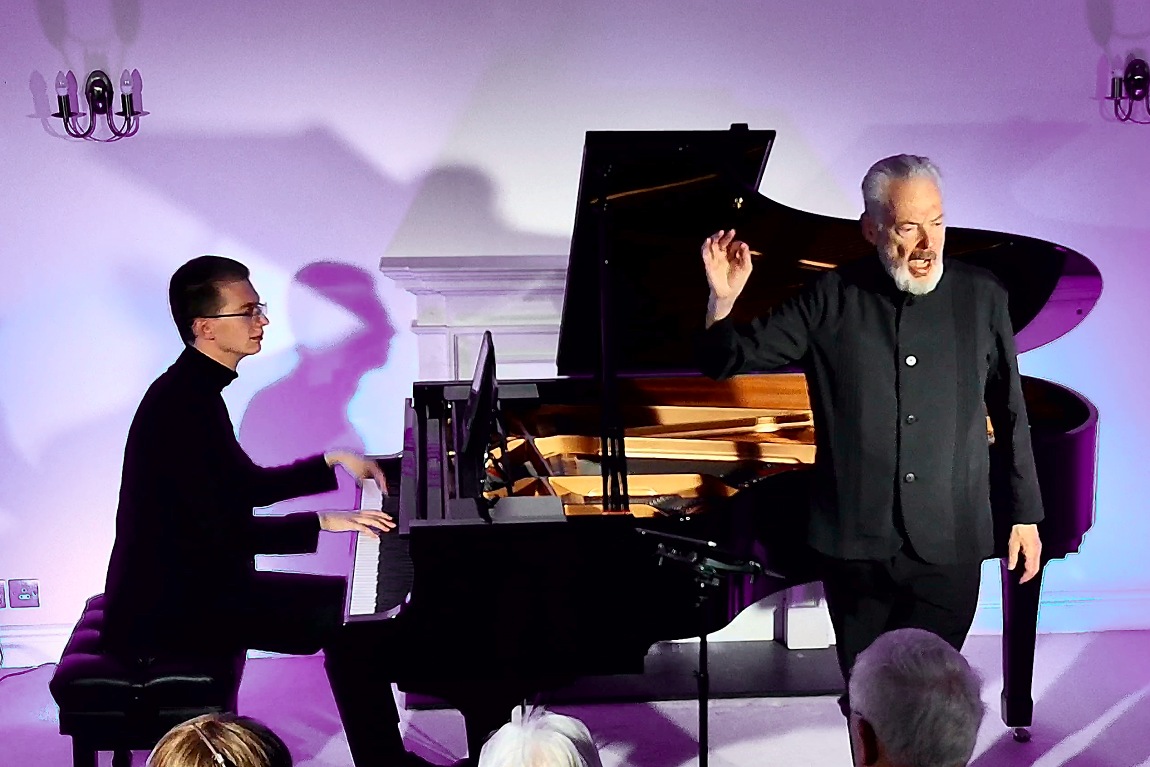
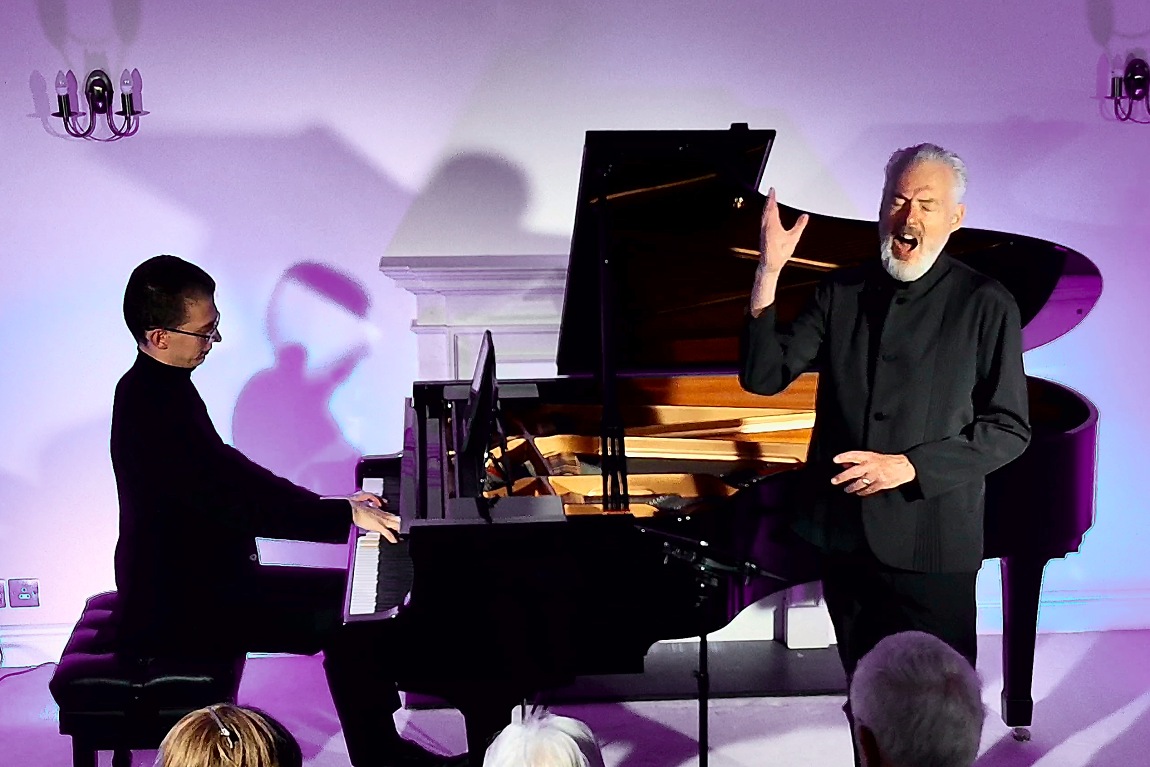
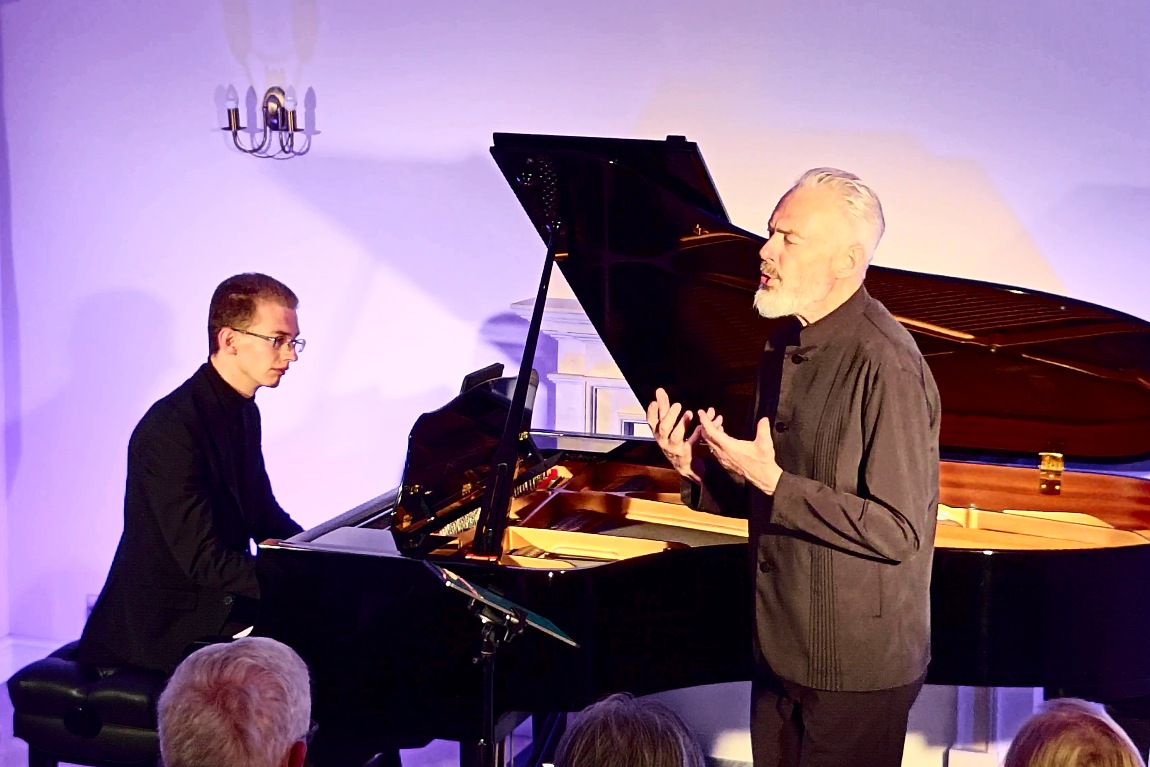
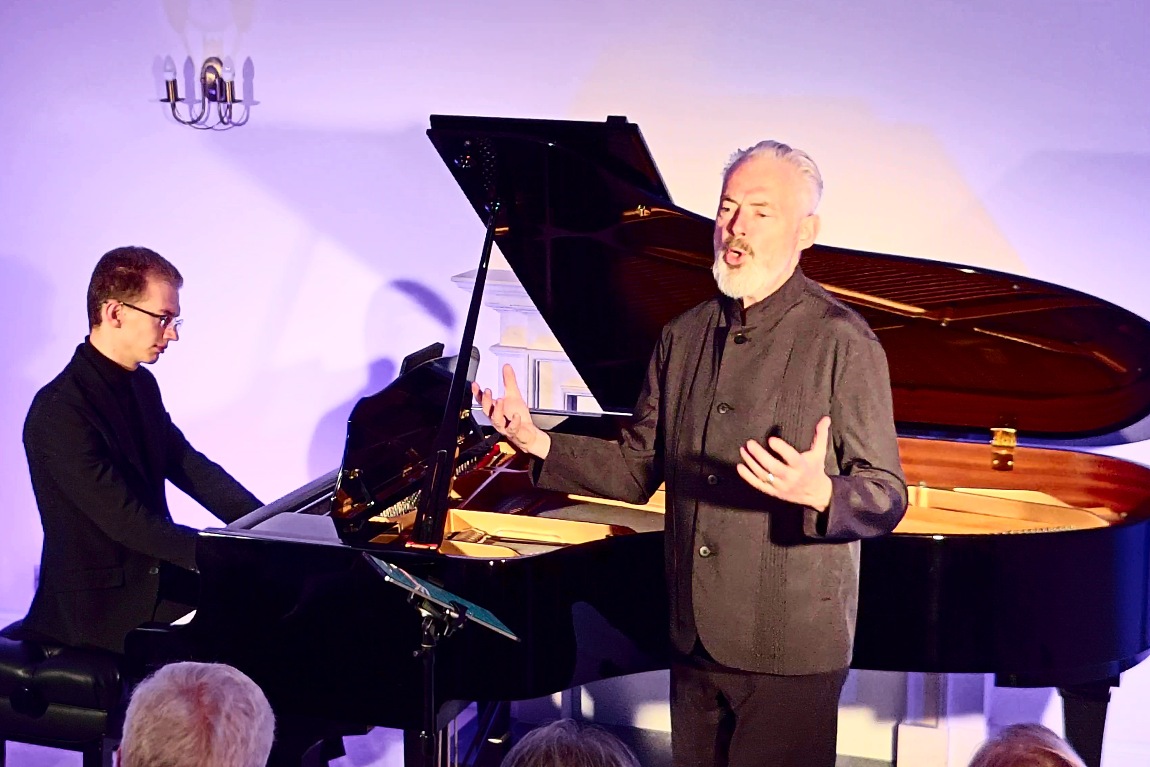
It was an adoringly enjoyable evening of voice and piano. We do not organise voice recitals often, solely because I, as the artistic director of Soirées at Breinton, must candidly confess that I am not knowledgeable enough in the field. But tonight's recital by tenor Mark Padmore and pianist Ben Markovic, with a heavenly programme of Schubert and Schumann Lieder? It was deeply special.
The first half, dedicated to Franz Schubert, consisted of nine songs. It was a collection of the most vivid and animated accounts: Der Wanderer an den Mond portrayed a wanderer's eager dialogue addressed to the moon and his own footsteps; An die Leier turned a dynamic heroic battle song into a sweet love song, in a comical, light-hearted way; Im Frühling was poetic, with its catchy melody sung warmly by Mark and its twinkling piano part (which immediately reminded me of the composer's Piano Sonata D959, so lovely!) beautifully played by Ben. You could certainly hear an earnest lover's calling in Alinde. Mark and Ben's voice-and-piano collaboration, constantly complementing and enhancing each other, was heartfelt.
With the opening of the second half, the four songs — settings of poems by Hans Christian Andersen — changed the mood to something significantly darker. Almost evil and sinister, but the songs? Absolutely gorgeous and powerful, giving us a spinal shiver.
Kerner Lieder, a cycle of twelve songs, was a magical experience. Many of them centre on an admiration for the healing power of nature, so it is amazing that, 186 years later, it remains one of life's themes worth pursuing. Each song showed a different temperament and mood, but if I had to pick one favourite, it is Stirb, Lieb' und Freud. The deeply emotional, cathedral-like melody sung by Mark brought a heart-wrenching, nostalgic quality. And the most beautiful piano part, so pure and sacred (which reminded me of Johann Sebastian Bach), wove in and out of the vocal melody. If this is not beautiful, I don't know what is.
What a lovely evening packed with joy and happiness. It was already a long programme with substantial content, but Mark's informative running commentary certainly added precious value to the evening. All in all, it was triumphant.
Programme
Click on each song to visit the Oxford International Song Festival website to read the words and translation of each song.
-
Schubert
-
Schumann
Mark's Biography
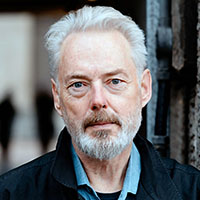
Mark Padmore CBE was born in London and studied at King’s College, Cambridge. He is one of the most highly respected performers of his generation and has established an international career in opera, concert and recital. His appearances in Bach Passions have gained particular notice, especially his acclaimed performances as the Evangelist in the staged productions of the St Matthew and St John Passions with the Berlin Philharmonic and Sir Simon Rattle directed by Peter Sellars.
Recent engagements have included performances as the Evangelist in the St Matthew Passion with the Bavarian Radio Symphony Orchestra / Simon Rattle and with the Turku Philharmonic Orchestra, a tour of Japan appearing at Le Pont International Music Festival, a recital at Topan Hall with the guitarist Yasuji Ohagi and performances of Britten Nocturne with the Gunma Symphony Orchestra. He also sang the Nocturne with the BBC Scottish Symphony Orchestra / Ryan Wigglesworth and with the Freiburg Chamber Orchestra. On the recital platform highlights have included Schubert Winterreise with Julius Drake for Temple Music as well as with Till Fellner at the Innsbrucker Festwochen and with Paul Lewis in San Francsico. In 2026 he will tour China performing Winterreise with Imogen Cooper and other future highlights include performances of the St John with the orchestra of La Scala / Chailly, a recital at the Wigmore Hall with Jonathan Biss a European concert tour with the Orchestra of the Age of Enlightenment and Carolyn Sampson and appearances at many of the leasing European chamber music festivals.
Other highlights include Judith Weir’s In the Land of Uz at the Three Choirs Festival; a new project exploring Krapp’s Last Tape with Gare St Lazare Ireland including development rehearsals in Dublin, performances and workshops at the Kilkenny Arts Festival and at the Nationcal Concert Hall Dublin and future performances in the US, recitals with Julius Drake in Barcelona, Paris and Madrid, in Alicante with the Elias String Quartet; the Muziekgebouw Amsterdam with Till Fellner and Schubert Winterreise with Mitsuko Uchida at Carnegie Hall New York, the Kimmel Center Philadelphia and the University of California at Berkeley.
Mark performs regularly at the Wigmore Hall and was Artist in Residence there in the 2021/22 season where he celebrated his relationship with pianists Till Fellner, Imogen Cooper, Mitsuko Uchida and Paul Lewis. He returned to the hall recently to sing Vaughan Williams and Fauré with the Elias Quartet and James Baillieu as well as in a mixed programme with baritone, Roderick Williams and Julius Drake.
Sought after for his work in opera recent productions have included the title role in a new production of Monteverdi Il ritorno d’Ulisse in patria conducted by Fabio Biondi at the Grand Théâtre de Genève, a new production of Britten’s Death in Venice at the Royal Opera House, Covent Garden where his performance was described as a “tour de force”, Captain Vere in Britten Billy Budd and Evangelist in a staging of St Matthew Passion for the Glyndebourne Festival, and leading roles in Harrison Birtwistle The Corridor and the Cure at the Aldeburgh Festival.
In concert Mark performs with the world’s leading orchestras. He was Artist in Residence for the 2017/18 season with the Berlin Philharmonic and held a similar position with the Bavarian Radio Symphony Orchestra in 2016/17. His work with the Orchestra of the Age of Enlightenment has involved projects exploring both the Bach St John and St Matthew Passion without conductor which attracted worldwide acclaim.
He has made numerous award-winning recordings including Schumann Dichterliebe with Kristian Bezuidenhout and Schubert song cycles with Paul Lewis, both for Harmonia Mundi. Described by the New York Times as “Schubert Masters” Mark Padmore and Mitsuko Uchida recently embarked on a series of highly acclaimed, worldwide recitals and this partnership has culminated in a recording on Decca Classics of Schubert Schwanengesang and Beethoven An die ferne Geliebte.
Mark was Artistic Director of the St. Endellion Summer Music Festival in Cornwall from 2012-2022, voted 2016 Vocalist of the Year by Musical America and appointed CBE in the 2019 Queens’ Birthday Honours List. He lives in London with his family.
Ben's Biography
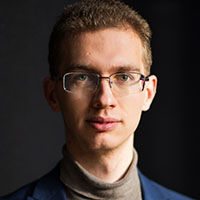
Ben Markovic is a London-based freelance pianist, organist, and teacher. He holds the post of Director of Music and Organist at St Mary’s Barnes, and is Repetituer Fellow for the Royal Academy Opera. He studied at the Royal Academy of Music with James Cheung and Joseph Middleton and at Queens’ College, Cambridge, where he held the Organ Scholarship.
Ben was a member of the Academy’s prestigious Song Circle, with whom he performed at Leeds Lieder and Wigmore Hall. Ben is closely involved with the Barnes Music Festival, having worked as staff pianist for their series of masterclasses and competition, as well as giving song and chamber recitals in the festival proper. He curates a series of ‘St Mary’s at 3’ concerts, offering an informal platform for students and young professional musicians to perform.
Ben is in demand as a keyboard player, having worked with ensembles including the Academy of St Martin-in-the-Fields, London Choral Sinfonia, Monteverdi Choir, the choir of Pembroke College, Cambridge, St Martin’s Voices, and London Concert Choir. He has worked as a staff pianist for Spoleto Vocal Arts Workshop, Tosti International Singing Academy, North London Music Festival, Rodolfus Foundation and National Children’s Choir of Great Britain. Ben is a Fellow of the Royal College of Organists.
Programme Notes
Schubert
Spanning very nearly the last decade of Schubert’s life, from 1819 to 1828, these nine songs were never conceived as a set, and were never published together in his lifetime. They come from nine different poets across half a dozen different years, none of them among Schubert’s famous cycles, gathered here instead for a shared preoccupation running through much of his mature work: solitude, night, and a restless, wandering mind that never quite settles.
The recital opens with a pair of songs, Der Wanderer an den Mond and Im Freien, that come from the same collection of night poems by Johann Gabriel Seidl and both address the natural world directly rather than another person. One is a wanderer’s dialogue with the moon, envious of its freedom to travel wherever it likes without ever growing tired or losing its way; the other a hushed, expectant night scene in which even the stars seem to speak to whoever is patient enough to listen.
Nachtstück, the earliest of the group, sets a starker, more visionary text by Johann Mayrhofer: an old man walks alone into the forest to die, and is welcomed there by the spirits of the trees themselves. It is one of Schubert’s bleakest early songs, its calm entirely undisturbed by what it actually describes. The Romanze that follows, from the incidental music Schubert wrote for the play Rosamunde, belongs to a different world again. Sung by an imprisoned princess watching the full moon rise over her tower, it is one of Schubert’s rare theatrical excursions, and one of his most quietly poised.
The mood lightens with An die Leier, in which a young poet tries, and fails, to sing of heroes and battles: however he tunes it, his lyre keeps insisting, string by string, on singing of love instead, and he gives in to it good-humouredly by the end. Im Frühling turns more reflective: an old man sits on a hillside as spring returns, remembering a love now lost, the season’s very freshness only sharpening what has gone. Alinde lightens the mood again, following a lover calling his sweetheart’s name through wood and field, answered each time by an echo that never quite satisfies him, teasing him onward instead of bringing her any closer.
A gentler, more contented solitude appears in Der Einsame, where a hermit-like figure sits by his fire listening to a cricket’s chirp and wants for nothing else, a rare Schubert song in which loneliness brings not anguish but real, settled happiness.
The half closes with Der Winterabend, written in the last year of Schubert’s life, to a text by Karl Gottfried von Leitner. Nothing about it announces itself as a farewell. It is simply an evening of complete stillness, its speaker content at his own fireside as the world outside falls quiet, wanting nothing more than the room he is already sitting in. Set against the yearning and unease running through much of what has come before, it closes the half on an unexpectedly settled note: one solitude, at the very end, answering all the others.
Schumann: Fünf Lieder
1840 was the year everything broke open for Schumann. Clara’s father, the piano teacher Friedrich Wieck, had fought the couple’s engagement for years, at one point taking the matter to court rather than allow his daughter to marry a man he judged unworthy of her; when the judges finally ruled in the couple’s favour that summer, something in Schumann seemed to give way all at once. In the months around the wedding he wrote an entire career’s worth of songs in a matter of weeks, a period he and everyone since has called his year of song, having barely composed any songs at all before it. Both groups heard in this half come from that outpouring.
The four songs are set poems by Hans Christian Andersen, translated into German by the poet Adelbert von Chamisso, and each turns a simple situation into something considerably stranger than it first appears. Schumann himself described the poetry’s quality as fremdartig, exotic or uncanny, and his settings lean into that oddness rather than smoothing it away.
Märzveilchen opens gently enough: a young man gazes through a frost-flowered window at a girl’s laughing eyes, half hidden behind the ice-flowers on the glass, willing the frost to melt.
Muttertraum turns darker without warning: a mother dreams tenderly over her sleeping child’s future while, outside her window, ravens mutter to one another that the same child will one day be their prey, a chill note of prophecy dropped straight into a lullaby.
Der Soldat is starker again, a soldier’s plain, almost unbearable account of standing in the firing squad that executes his own closest friend; Schumann sets the final, fatal verse in the past tense, as though the words themselves cannot quite accept what they describe.
Der Spielmann closes the group at a village wedding that curdles as it goes on: the fiddler playing for the dancers is the bride’s rejected lover, and as the music grows wilder his hair visibly turns grey before the guests’ eyes, the price of a heartbreak he cannot stop performing.
What holds the four songs together is a shared sleight of hand: each opens in a recognisable, sentimental world, then quietly lets something fatal into it before the verse ends. Andersen wrote his originals for children; Schumann’s settings plainly are not.
Schumann: Kerner Lieder
The Lieder that follows are something larger again: twelve songs, composed in the space of a few weeks at the very end of 1840, setting the poet and country doctor Justinus Kerner, a man remembered today chiefly because Schumann chose his words. Kerner spent his working life treating patients in provincial Swabia and his spare time investigating ghosts, mesmerism, and the borders of the rational mind, and something of that unsettled, half-superstitious world colours the cycle throughout, even at its gentlest.
It opens in high spirits with Lust der Sturmnacht, which finds real pleasure, not fear, in a storm raging outside a warm, safe room. The mood turns abruptly with Stirb, Lieb’ und Freud’, the emotional centre of the cycle and a much darker story: a young man watches, from the back of an Augsburg church, as the woman he has silently loved takes her vows and disappears into a convent, able only to murmur the cycle’s title to himself as she goes. Wanderlied answers with a vigorous, wine-fuelled farewell to home and family, a young man driven, almost against his own will, out into the wider world, and that same restlessness turns wistful a little later in Sehnsucht nach der Waldgegend, a quieter longing for the very woodland he was once so eager to leave.
Stille Tränen, one of the set’s most quietly devastating songs, does exactly what its title promises: after so much storm and incident elsewhere, it simply describes an ordinary morning going on regardless, while somewhere, without a sound, a heart is breaking. The cycle closes with Alte Laute, a hushed and resigned farewell. An old man hears birdsong and watches blossom return as it always has, and understands that nothing left in nature, however lovely, can any longer reach the sorrow settled inside him; only sleep, or death, he suggests, might finally do it.
Across its twelve songs, composed in barely six weeks by a man who had just won the right to marry the woman he loved, the Kerner cycle traces one continuous emotional argument of its own: from a night that both poet and composer, in their different ways, found real reason to delight in, to a stillness that no returning spring can touch.